

Chiropractic BioPhysics: Correcting the Structure, Not Just the Symptom
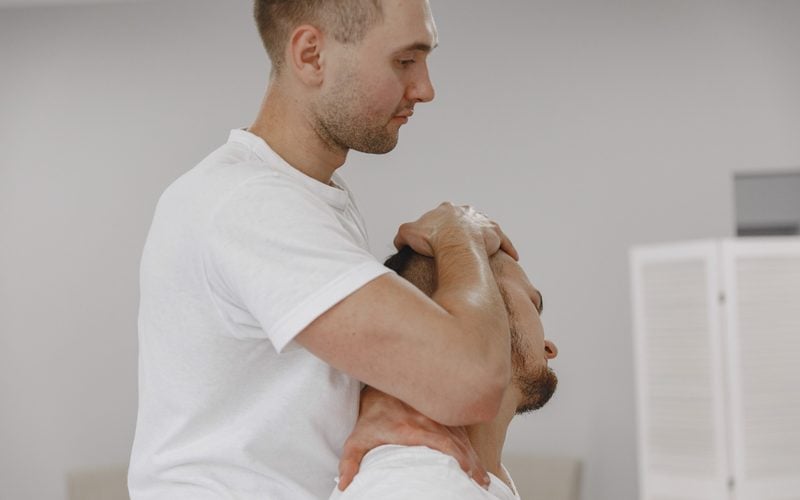
Most people’s experience of chiropractic is symptom-shaped. Something hurts, you get adjusted, it feels better, and you come back the next time it hurts. That cycle helps, and for plenty of problems it is all that is needed.
Chiropractic BioPhysics asks a different question: not just where does it hurt, but what shape is your spine actually in, and can that shape be measurably improved? It is the approach Dr. Tony Nicholas led the student club for in chiropractic school, and it still shapes how he reads an x-ray and builds a plan at Axis Health and Wellness in Centennial.
In this article
What Chiropractic BioPhysics Is
Chiropractic BioPhysics, usually shortened to CBP, is a specialty within chiropractic that treats posture and spinal alignment as the primary goals of care, and documents improvement in pain and function along the way. It is among the more research-oriented and measurement-driven approaches in the profession.
The underlying idea is structural. Your spine has a normal shape when viewed from the front and from the side, and when it deviates from that shape, the load through joints, discs, and nerves changes. Restoring the structure changes how the whole system is loaded, rather than quieting one irritated area.
How It Differs From Symptom-Only Care
- It starts with measurement. X-ray analysis establishes what your spine’s alignment actually is, rather than inferring it from how you feel.
- The goal is a structural change, not only a reduction in pain, though pain relief comes first in the sequence.
- Progress is objective. Alignment on film, range of motion, pain intensity, and how you function day to day all get tracked.
- There is a defined endpoint. Care aims at maximum improvement rather than continuing indefinitely.
This is the same instinct behind everything else in this office: see what is happening internally rather than guess at it. Dr. Tony would rather image the spine and know than treat around an assumption, which is why x-rays are part of the standard workup for back and neck cases.
The Three Phases of Care
- 1Relief. The first job is getting you out of pain. Nobody is interested in a structural conversation while they cannot sit through dinner. Acute care typically runs two to three visits a week during this phase.
- 2Rebuilding. With the pain settled, care shifts toward building a healthier spinal foundation and better nervous system balance. Visit frequency usually drops to once or twice a week here.
- 3Renewal. The maintenance phase, where you learn what keeps the improvement in place, so the gains survive your job, your desk, and your habits.
Where you stop is your decision. Some patients want relief and nothing more, and that is a legitimate choice that gets presented as one. Plans here always run from most conservative to most complete.
Who This Approach Suits
Structural care tends to matter most when the problem is structural in the first place, or when symptom-only care keeps producing temporary results:
- Recurring low back pain
- Chronic neck pain and desk posture
- Headaches starting in the upper neck
- Scoliosis monitoring and management
- Postural problems from work
- Pain that returns every few months
It is not the answer to everything, and it is not always the right tool. Joint problems in a knee or shoulder respond better to SoftWave therapy, and a fresh disc injury usually calls for decompression first. What you get is a plan built from your exam, not from a philosophy applied identically to everyone.
What to Expect Honestly
Structural change takes longer than symptom relief, and any office telling you otherwise is selling something. How long a problem has existed is the biggest factor in how long it takes to correct, and a spine that spent fifteen years adapting to a desk does not reorganize in a fortnight.
What does not change here is the accountability. You are re-evaluated weekly, the plan adjusts to your actual response, and if care is not producing results by around the 8 to 12 visit mark, Dr. Tony refers you out instead of booking more visits. There is no 60 visit package in this office, which is the specific misconception about chiropractic he works hardest against.
Chiropractic BioPhysics FAQs
What does Chiropractic BioPhysics actually mean?
CBP is a chiropractic specialty focused on posture and spinal alignment as the primary goals of care, using x-ray analysis to measure alignment objectively and document improvement over time. It is one of the more research-driven approaches in the profession.
Dr. Tony Nicholas was president of the Chiropractic BioPhysics club at Cleveland Chiropractic College and still practices those methods, which you can read about on the Meet the Doctor page.
Do I have to commit to the full three phases?
No. Relief care is a complete option on its own, and plenty of patients choose it. The rebuilding and renewal phases are offered because being out of pain and having corrected the underlying structure are genuinely different outcomes, and you should get to choose which one you are after.
Plans are presented from most conservative to most complete, and the choice stays yours throughout.
Why are x-rays part of this?
Because you cannot measure what you have not seen. Alignment is a structural question, and estimating it from posture or symptoms alone is guesswork. Films establish the baseline and let progress be tracked objectively rather than by feel.
X-rays are skipped entirely during pregnancy, where evaluation relies on history and a hands-on exam instead.
How is this different from just getting adjusted?
An adjustment restores motion to a restricted joint and often relieves pain quickly. Structural care uses adjustments as part of a longer plan aimed at improving the shape and loading of the spine itself, with measured checkpoints along the way.
Many patients get both: relief-focused care first, then a structural phase if they want to address why the problem kept returning.
Is it painful?
It should not be. The first principle in this office is do no harm, and Dr. Tony establishes where your pain level sits before treating, adapting technique to your age, condition, and comfort level, from gentle low-force methods on up.
A patient who leaves visit one hurting worse than they arrived does not come back for visit two, and care here is built with that in mind.
See What Your Spine Actually Looks Like
An exam and x-rays turn a vague sense that something is off into a measurement you can act on. Your first visit, exam, and treatment is $29. Axis Health and Wellness serves Centennial, Greenwood Village, Lone Tree, Highlands Ranch, Littleton, Aurora, Parker, Castle Rock, and the south Denver metro.