

Auto Injuries Centennial, CO
- Whiplash, Disc & Soft Tissue
- Motion X-Rays That Show Ligament Damage
- Auto Claims & Attorney Records
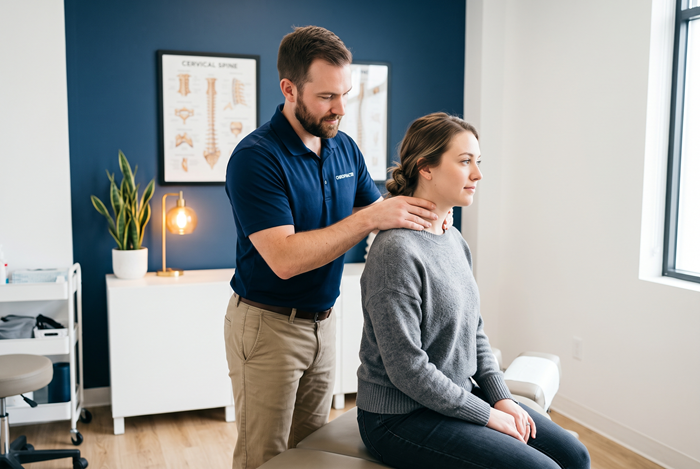
A crash is an unfortunate event that has a huge impact on many people’s lives. Many people might initially walk away from a wrecked car feeling fine, but they may not be able to turn their head the next day. The injuries may be worse than what many think at first, and this is what Dr. Tony Nicholas from Axis Health and Wellness in Centennial also thinks.
Some might experience a rear-end accident at fifteen miles per hour, but they may start feeling headaches that can be connected to that incident. This page covers the injuries, and for those who are looking for insurance options, visit the auto accident care page for more information.
What a Collision Does to the Body?
A crash can affect the body faster than the muscles can respond to it. Reflexes need about a tenth of a second to brace, but the impact is over before one realizes. This is when the tissue can absorb the force while it’s unprotected. The aftermath can include the following:
- 1Ligaments get overstretched. After they’re stretched past their limit, the ligaments can become tired quickly after the accident.
- 2Muscles tighten to protect the area but remain tense Spasms might be experienced for a week but know that they might keep the joints from moving normally.
- 3• Discs are exposed to force during collision and take shear that they’re not built for. A collision is mostly shear, which is why painful arm symptoms can appear days later.
- 4The curve of the neck flattens. A straightened neck loads joints differently every day from then on.
The Injuries Seen Most Often After a Crash
- Whiplash and cervical acceleration injury
- Ligament sprain and muscle strain
- Disc herniation and bulging
- Post-traumatic headaches
- Neck pain and loss of cervical curve
- Low back and mid back injury
- Nerve compression
- Numbness and tingling
- Shoulder and seatbelt injuries
- Dizziness and vertigo
- Jaw pain and TMJ irritation
- Knee and dashboard contact injuries
Why Symptoms Show Up Days Later
Adrenaline tends to suppress pain for hours to protect the body, while the inflammation may take days to build up. This is why many might not realize that their injured body part is hurting, and they may initially feel fine at the scene. The next morning, they may feel some stiffness, and three days is often what it takes to fully feel everything.
It’s this kind of delay that can make people delay check-ups, and they may not tell the insurer that they’re hurt. However, they need a thorough assessment to protect both their recovery and their claims in the future, even if they don’t feel any pain yet.
The injuries that cause the most trouble later are usually not the ones that hurt the most on day one. They are the ones nobody looked for.
Dr. Tony Nicholas, D.C.The Injury Hiding Behind the Obvious One
When one area hurts badly, it’s easier to overlook the others. The neck may seem to sustain major injuries, but after an examination, the expert finds out that it’s actually the mid-back that can’t take the load and the lower back has to compensate. Many might feel dizziness that might seem unrelated to the crash, but it may actually be part of that incident’s injury.
How Crash Injuries Get Evaluated in Centennial
- 1The full mechanism of the collision. The experts are going to evaluate the direction of the impact and the position of the head upon impact to determine which areas they should focus on.
- 2Serious injury gets excluded first. Head concussion is checked for, and the doctors will often refer their patients to a specialist if needed.
- 3Motion x-rays, not just static films. Ligament damage only shows in movement, so X-rays are needed to identify any additional instabilities that the doctor may miss.
- 4Every symptom gets recorded. An injury never written down in the first weeks is very hard to prove later.
How Auto Injuries Get Treated
- Chiropractic adjustments can help restore joint movement that might be restricted after a crash.
- Spinal decompression can be considered when there’s disc irritation that can contribute to the tingling feelings experienced in one’s arm.
- SoftWave therapy can be used for tendon irritation that may continue after the initial injury, and it’s intended to support the healing process.
- Dry needling is great for spasming muscles to reduce tension and make normal movements easier.
- Curve restoration and rehabilitation may be incorporated when the crash has affected one’s movement.
Treatment is adjusted based on the changes in one’s condition since care that may be valuable in the first week might not be needed by the fifth.
How Long Does Recovery Take?
For simple soft tissue injuries, they can often heal within twelve weeks of consistent care, but when there’s disc involvement, everything can take longer. A lost cervical curve should get the therapy needed as soon as possible because it can be hard to fix the scar if it remains untreated for eight weeks.
Get Emergency Care First If
- If you lost consciousness after a car crash, it’s important to see a doctor immediately.
- Any kind of numbness in the legs or loss of bladder control should also be assessed by a professional.
- Severe pain right over the spine after a high-speed impact might mean seeing a professional right away.
- If you have chest pain or if you feel shortness of breath that doesn’t improve.
A normal ER visit rules out what is life-threatening, so it should be done as soon as possible.
Who Pays for This?
There are various insurance policies in Colorado that will pay for an individual’s hospital bill regardless of who is at fault, so the treatment is often billed to the auto insurance instead of one’s health insurance. One can hire an attorney if there are disputes, while people can get more information about liens on the personal injury care page, and payment plans help where coverage falls short.
Auto Injury FAQs
I feel fine after my accident. Do I still need to be checked?
Yes. Feeling fine afterwards isn’t proof that there’s no injury. A thorough examination in the first week may either find something worth treating or give documentation that can support one’s insurance claim.
The car had almost no damage. Can I really be hurt?
Yes. It’s best never to underestimate the effects of a car crash because even if the vehicle looks fine, a deformed bumper can still mean that the occupants can be injured. Low-speed crashes may even cause whiplash injuries, so it’s best to get checked as soon as possible.
I went to the ER and they said nothing was wrong. Why do I still hurt?
The emergency room checks for visible injuries with bleeding, but they may miss a ligament sprain. Any early disc injury might not show on typical ER imaging, so it’s best to get a second opinion.
How soon after the crash should I come in?
Within the first several days, and the earlier, the better. The results can also help with insurance claims if needed.
Will chiropractic care hurt if my neck is already painful?
Acute injuries are treated with gentle care, and an early visit can calm inflammation. Manual chiropractic adjustments can also amp up, but if something feels painful, it’s best to communicate this to the therapist as early as possible so they can make adjustments.
Can old crash injuries still be treated years later?
Yes, and the focus shifts to the joint restriction, and many long-term headache complaints can be traced back to old collisions in the past.
Get the Injury Documented Before It Becomes a Long-Term Problem
A thorough exam at our Centennial office helps show the extent of the injuries so the patient won’t be left with guessing. There’s motion X-rays to determine what’s really going on and the care plan will be tailored based on the patient’s needs. Same-week appointments can also be available for new accident cases.