

Car Accident Tips from a Chiropractor
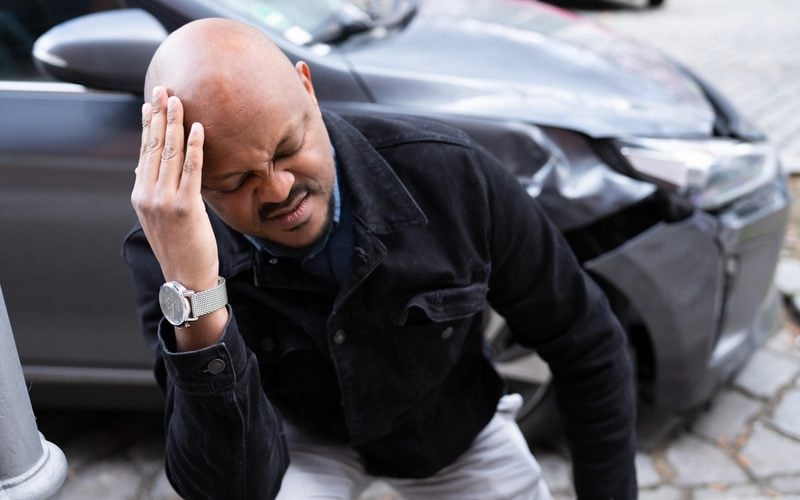
After a fender bender, most people inspect the bumper more carefully than they inspect themselves. The car gets photographed from four angles while the driver rubs their neck once and decides they are okay, a verdict delivered by adrenaline rather than by anyone qualified to give it. The first days after a collision are when the important decisions get made, usually by people who do not know they are making them.
Here is what Dr. Tony Nicholas wants every driver in Centennial to know before the next sudden stop, drawn from two decades of treating what collisions actually do to bodies.
In this article
Symptoms That Point to Whiplash
Watch for these in the days after any collision, even a slow one:
- Blurred vision
- Headaches
- Neck pain
- Dizziness
- Shoulder pain
- Reduced range of motion in the neck
- Arm pain
- Neck stiffness
- Lower back pain
Five Things a Chiropractor Wishes Every Driver Knew
- Vehicle damage does not equal body damage. Bumpers are designed to absorb impact, but the acceleration force still travels through the people inside. Some of the worst necks this office sees came from cars that barely looked touched.
- Your seatbelt saved you and strained you. Wear it, always. Just know that the same restraint that kept you off the windshield concentrates force through one shoulder and the neck, a classic source of whiplash and shoulder injuries worth checking.
- Pain runs late. Soft tissue injuries can take up to ten days to fully announce themselves. Feeling fine at the scene, and even that week, proves nothing about what the collision did.
- Recovery takes longer than people expect. Marked improvement typically shows by around 12 visits over four to six weeks, and getting back to 100% usually runs 20 to 26 treatments, depending on your age, pre-existing conditions, and how fast the cars were going.
- Your head and neck are the vulnerable parts. They whip through the widest arc in any collision, which is why the cervical spine collects the ligament damage, the headaches, and the long-term problems when injuries go untreated.
What to Do After a Collision
- Emergencies first: suspected fractures, dislocations, or any head injury with confusion, vomiting, or lost consciousness go to the hospital.
- Get examined early, ideally within the first few days, while treatment is most effective and documentation is closest to the accident date.
- Expect real imaging: accident cases here get extensive x-rays, including motion views that reveal ligament damage standard films cannot show.
- Do not let billing stop you. In most cases the insurer is billed directly, or everything runs through your attorney if you have one.
The complete process is on our auto accident care page, and the hidden injuries worth knowing about are covered in this companion post.
Ready When You Are
Your first visit, exam, and treatment at Axis Health and Wellness is $29. We serve Centennial, Greenwood Village, Lone Tree, Highlands Ranch, Littleton, Aurora, Parker, Castle Rock, and the south Denver metro.