

Plantar Fasciitis Centennial, CO
- Heel & Arch Pain Relief
- SoftWave Tissue Repair
- No Injections or Surgery
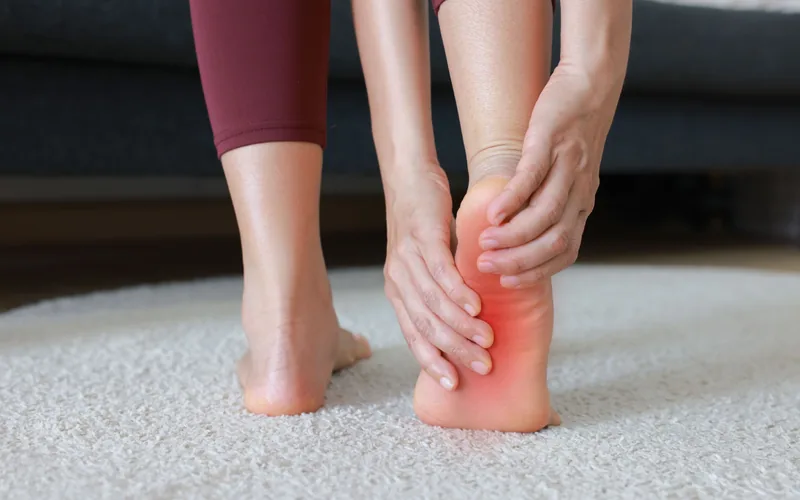
One can recognize that they have plantar fasciitis through foot pain. When the first few steps out of bed in the morning become a sharp ache that hits the heel, then one can already know that this is something serious. It can ease up as the foot begins to lose pressure throughout the morning, but it can return the next day. Many people may live with this cycle for many months, and they try on different shoes hoping that the pain will eventually go away.
Fortunately, they don’t have to continue suffering because at Axis Health and Wellness in Centennial, Dr. Tony Nicholas treats plantar fasciitis with SoftWave therapy. When the pain in the heels has persisted for months, this can be the right time to visit a specialist. SoftWave is designed to restart the body’s healing process that addresses the root cause of the problem instead of just providing temporary pain relief.
How Does Plantar Fasciitis Show Itself?
- Individuals may feel a sharp pain in the heel, which is common in this kind of condition.
- A pain that’s worst when one takes their first steps out of bed, but it gradually eases up as they move around.
- Pain that seems to travel along the bottom of the foot from the heel towards the toes.
- Pain that flares up after long periods of standing, or if one suddenly increases their running distance.
The telltale sign is the painful signal in the feet that one may feel in the morning. While some individuals sleep, the plantar fascia tightens, so taking the first steps after waking up can suddenly stretch the irritated tissue, which causes heel pain.
Who Is Most Likely to Develop Plantar Fasciitis?
Heel pain isn’t just exclusive to some people. However, one is more likely to develop it when they belong to the following categories:
- Runners, especially after mileage jumps
- Workers who stand all day on hard floors
- Nurses, teachers, and warehouse workers
- Athletes in court and field sports
- Sever’s disease that’s common in growing, active children
- Anyone whose feet are working harder than their footwear can support.
In young athletes, heel pain is often Sever’s disease rather than plantar fasciitis, and Dr. Tony treats both.
How Heel Pain Gets Treated in Centennial?
A treatment that can help with the condition is called SoftWave therapy. It works by delivering acoustic waves to stimulate blood flow in the body and to encourage repair without the need for any medications. Chronic plantar fasciitis is a situation where the body has stopped trying to heal on its own because the inflammatory stage can become a degenerative loop.
- SoftWave therapy on the heel and fascia is the primary treatment that’s usually used.
- Red light therapy uses a red infrared light over the affected area, and it takes less than a minute to treat each area.
- Orthotics are used to provide additional support and help reduce the strain placed on the plantar fascia.
“We typically treat a range of musculoskeletal conditions, including joint and soft tissue problems. Treatment usually takes around 10 minutes and is non-invasive, with low to no side effects.”
Dr. Tony Nicholas, D.C., on SoftWave therapyWhat Your First Visit Looks Like
- 1Looking at the whole story. We look at when the pain started and the footwear you’re using. We will also ask about the previous treatments that you may have already tried.
- 2A foot exam and an X-ray will be conducted. We check the movement of the foot and how it handles weight. A customized care plan will be created based on the root cause of the problem.
- 3Treatment is provided on the same day. Patients can get a SoftWave session during the visit if the doctor determines that this is what they need.
- 4A Weekly re-evaluation. Your treatment plan is adjusted based on how your heel is responding instead of just following a fixed schedule.
How Long Does It Take?
A recent flare-up may improve weekly if the patient follows the doctor’s recommendations. For the heel pain that’s been present for months, the treatment can take around six to ten sessions of SoftWave. The longer the issue has been there, the longer recovery may take. If your heel is not responding after about 8 to 12 visits, Dr. Tony will refer you to another provider rather than continuing treatment.
Get Medical Care First If
- Heel pain has started from a fall, and there’s direct impact.
- Bone fractures need to be ruled out before a treatment plan is created.
- There’s a possibility of a torn ligament in the foot that needs to heal first.
Lingering heel pain that has lasted for months without tying it to a specific injury is one of the common issues that are being treated in our clinic.
How Much Does it Cost?
The first SoftWave session can start at $49, and the first chiropractic visit can be as low as $29. Finding out how the heel responds to treatment can cost less than buying new shoes because one may think that this is the problem that they need to deal with. We also accept insurance except Medicaid. Major credit cards, cash, CareCredit, FSA, and HSA are also welcome. Inquire also about our payment plans that are available, including no-interest options.
Plantar Fasciitis FAQs
What does SoftWave actually do for a heel?
The acoustic sound waves are able to reach damaged tissue to increase blood flow. It then signals the body to start the healing process, especially if it starts to slow down. Each session takes around ten minutes, but there are exceptions. People who are on pacemakers and those who have just gotten a cortisone shot are not ideal candidates for SoftWave.
How many sessions will my heel need?
Recent flare-ups may need further assessments, and if the heel has been hurting for several months, it can usually take around six to ten SoftWave treatments for it to improve. Progress is checked weekly and adjusted based on the body’s response, so this isn’t an open-ended program.
Can I keep running or working on my feet during treatment?
The goal of the treatment is to make it fit in your daily life instead of you needing to stop everything just to start it. If your job requires you to stand for long hours, the doctor may adjust this based on your activities instead of suggesting that you stop working for weeks.
Is my heel pain a heel spur?
Sometimes, the X-ray shows a heel spur, but it’s not the same as plantar fasciitis. Many people have heel spurs without any pain, and an X-ray will show what’s actually happening inside the heel and help address the root cause.
Do orthotics help?
They can help when the way your feet move is putting too much stress on the plantar fascia. Orthotics are one of the services offered at this clinic and can support the foot while the tissue heals. They are generally used as part of a larger treatment plan rather than as the only solution.
My child has heel pain. Is that the same thing?
Often, it is not. In growing children, heel pain is often caused by Sever’s disease, which affects the growth plate, rather than plantar fasciitis. It is especially common in kids who participate in sports. It is also one of the conditions treated here with SoftWave. Our pediatric chiropractic care always begins with a gentle examination.
Make the First Steps of the Day Boring Again
You already tried a lot of things, including stretching before bedtime and trying new shoes, but the pain is still there. It’s best to undergo an examination to help the tissue heal and let your mornings be pain-free. In our clinic, we treat heel pain for patients from Centennial, Greenwood Village, Lone Tree, Highlands Ranch, Littleton, Aurora, Parker, and Castle Rock, so don’t hesitate to visit.